

The B2B Sales Funnel in 2026: From Cold Leads to Loyal Advocates
The B2B sales funnel has evolved from a simple numbers game to a complex, data-driven journey. This guide breaks down the modern ToFu, MoFu, and BoFu stages for 2026, offering actionable strategies for sales and marketing teams to convert cold leads into loyal advocates using automation and personalized engagement.
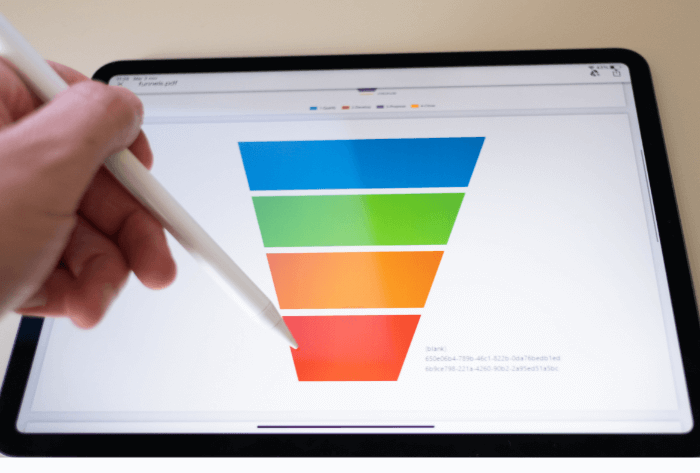
In the world of B2B sales, the concept of the "funnel" has existed for over a century. However, the way we navigate it has changed drastically.
Gone are the days when a sales funnel was a simple numbers game—dumping thousands of leads into the top and hoping a few deals drop out of the bottom. In 2026, the sales funnel is data-driven, non-linear, and heavily reliant on genuine engagement.
For sales and marketing teams using email engagement platforms, understanding the modern funnel is not just about theory; it is the blueprint for revenue growth.
Here is your comprehensive guide to mastering the B2B sales funnel in the age of AI and automation.
What is a Sales Funnel? (And Why It Still Matters)
At its core, a sales funnel represents the journey a potential customer takes from discovering your brand to purchasing your product.
While the "funnel" shape implies a linear drop, modern buyers often loop back and forth. They might discover you, research your competitors, sign up for a newsletter, go silent for three months, and then suddenly ask for a demo.
Despite this complexity, the funnel is usually divided into three core stages:
- Top of the Funnel (ToFu): Awareness and Discovery.
- Middle of the Funnel (MoFu): Consideration and Interest.
- Bottom of the Funnel (BoFu): Decision and Action.
Stage 1: Top of the Funnel (Awareness)
The Goal: Cast a wide net, but aim it in the right direction.
At this stage, prospects are experiencing a problem but might not know your solution exists. Your job is to be helpful, not salesy.
For an email sales engagement strategy, this is where "cold" outreach meets content marketing.
- The Challenge: Cutting through the noise.
- The Strategy: Use value-first cold emails. Instead of asking for a meeting immediately, offer a resource, a case study, or an insight relevant to their industry.
- 2026 Tip: Use AI signals. Don't just email anyone; email companies that just raised funds, hired new executives, or adopted new technologies.
Stage 2: Middle of the Funnel (Consideration)
The Goal: Build trust and educate.
The prospect knows who you are. Now they are evaluating if you are the right fit. This is the "messy middle" where most leads are lost.
In this stage, your communication must shift from "Here is who we are" to "Here is how we fix your specific pain."
- The Challenge: Maintaining momentum without being annoying.
- The Strategy: Implement automated follow-up sequences. Share detailed comparisons, customer testimonials, and webinar invites.
- 2026 Tip: Personalization at scale. Use your sales engagement platform to tailor the content based on the prospect's behavior (e.g., if they clicked a link about "integration," send them an email specifically about your API).
Stage 3: Bottom of the Funnel (Decision)
The Goal: Convert the lead into a paying customer.
The prospect is ready to buy but might have last-minute hesitations regarding price, implementation time, or stakeholder buy-in.
- The Challenge: Overcoming objections and closing.
- The Strategy: Direct, high-touch communication. This is where your account executives step in. Offer live demos, free trials, or custom pricing proposals.
- 2026 Tip: Speed to lead. When a prospect signals high intent (like visiting your pricing page), your team should be alerted instantly to reach out.
The "Hidden" Stage: Post-Purchase (Retention)
In 2026, the funnel doesn't end at the sale. The "Bowtie" funnel model emphasizes that what happens after the signature is just as important.
- Onboarding: Ensure they actually use the tool.
- Upselling: Introduce them to higher-tier features.
- Advocacy: Turn happy customers into referrals.
Common Funnel Leaks (And How to Fix Them)
Even the best teams struggle with "leaky" funnels. Here are the most common causes:
1. Friction in the Handoff
When Marketing hands a lead to Sales, information is often lost. Ensure your CRM and engagement platforms are synced so sales reps know exactly what content the prospect has already consumed.
2. Giving Up Too Soon
Data suggests it takes an average of 8 touches to book a meeting. If you stop after one cold email, your funnel will never work. Automate your follow-ups to ensure persistence without manual effort.
3. Ignoring the "Not Now" Leads
Just because a prospect isn't ready today doesn't mean they won't be ready in six months. Do not delete them. Move them to a "nurture" sequence where they receive low-frequency, high-value content.
Conclusion
The B2B sales funnel in 2026 is a blend of human psychology and technological efficiency. By defining your stages clearly and using a sales engagement platform to automate and personalize your communication, you can stop chasing leads and start guiding them.
Build a process that respects the buyer's journey, and your revenue will follow.